
An editorial guide · Southern Odisha & the wider region
Dandakaranya
A Land of Legends, Life & Legacy
Dandakaranya is a historical and culturally significant region remembered through the forest landscapes of central-eastern India. Its name carries epic memory; its present belongs to many communities, places and histories.
Begin the storyDeomali, Koraput district · Eastern Ghats, Odisha
THE LAND
A region, not a line on today’s map
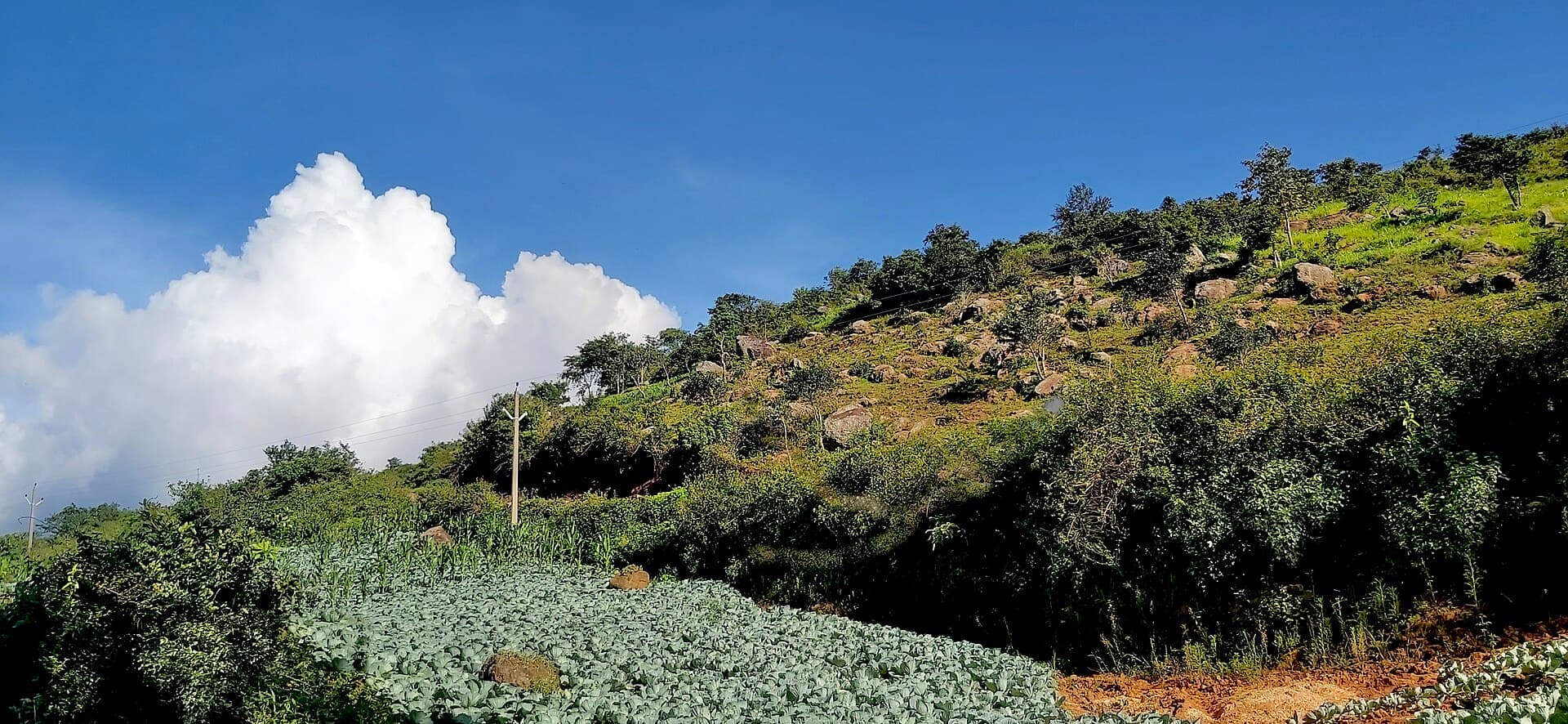
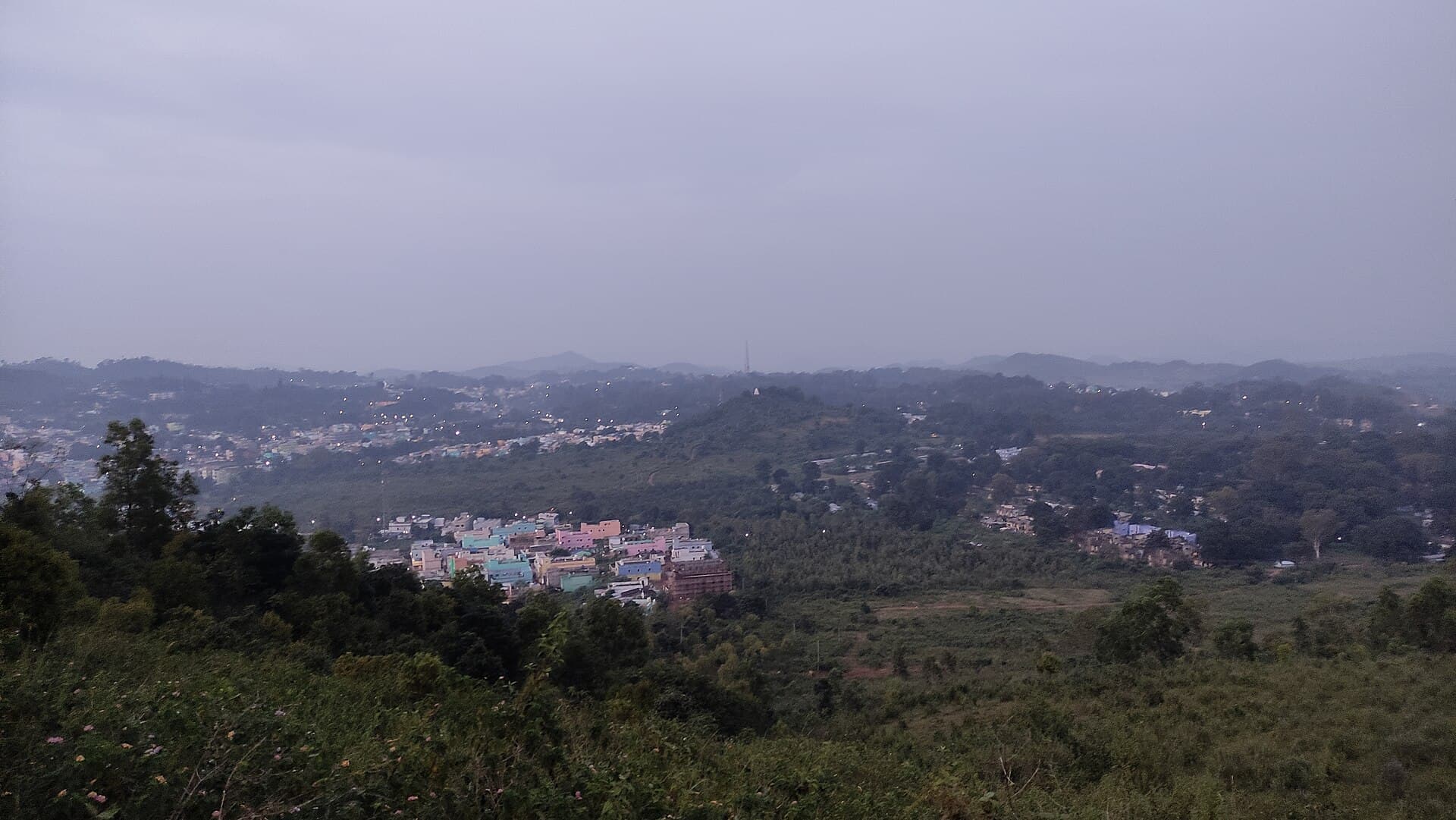
The name Dandakaranya is commonly understood as “the forest of Dandaka” — from Dandaka and araṇya, forest. It names a landscape in literary and historical memory rather than a present-day administrative unit. In modern descriptions, the wider region is associated with forested parts of today’s southern Odisha and adjoining central India, including areas around Koraput and Bastar. Its extent shifts with the source: an epic’s imagined geography, a historical region and a twentieth-century government project each describe different boundaries. In Odisha, the Eastern Ghats rise into broken plateaus, steep valleys and highland settlements. Deomali, in Koraput district, is a striking landmark of that wider terrain — not a precise boundary marker for ancient Dandakaranya.
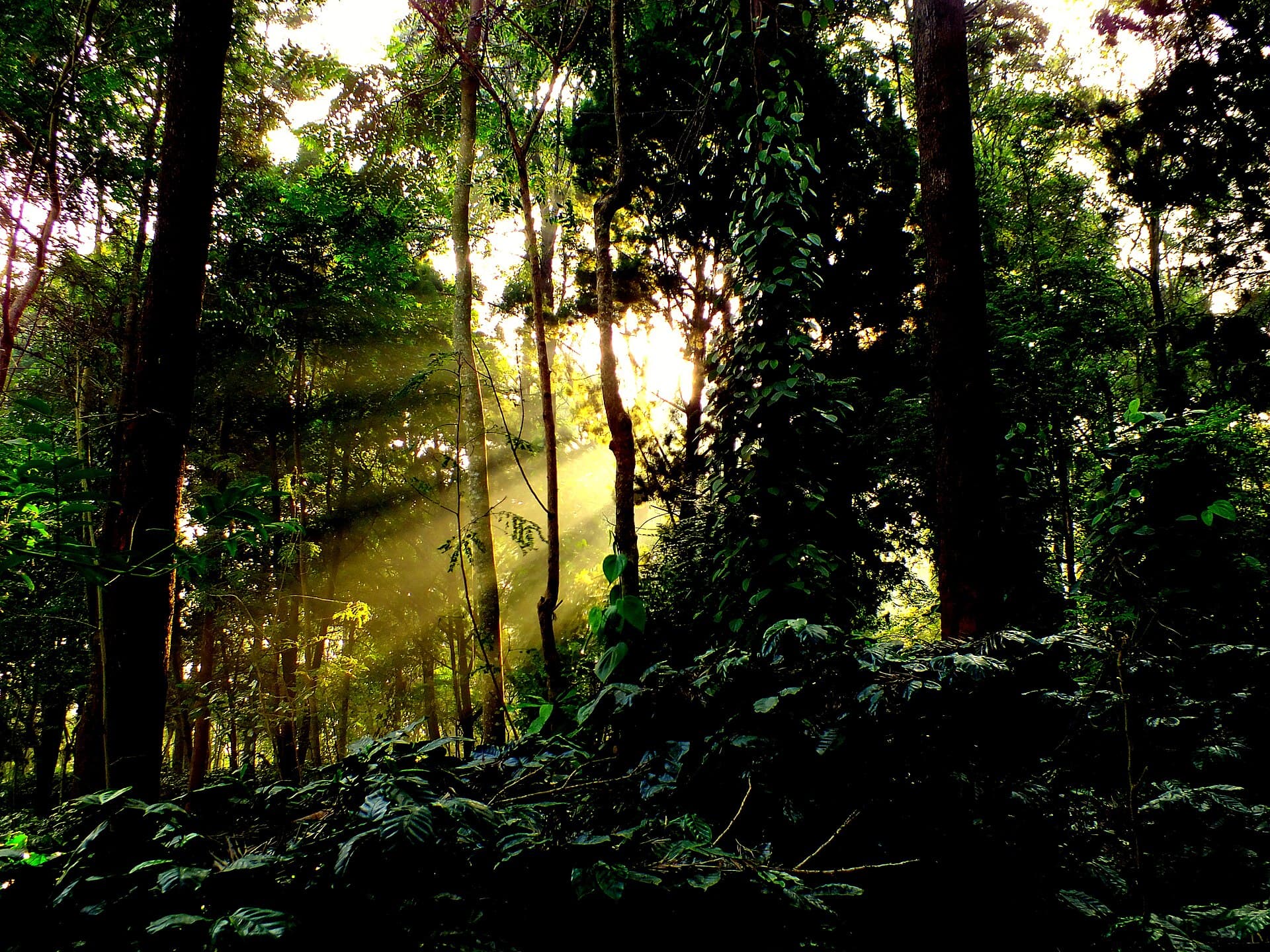
Koraput forest at sunrise · wider southern Odisha landscape
02 · EPIC MEMORY
A forest in the Ramayana
In the Vālmīki Rāmāyaṇa, the Araṇya Kāṇḍa opens with Rama, Sita and Lakshmana entering the great forest of Dandaka. The story places forest hermitages, encounters and exile within a consequential moral landscape: a place of refuge, danger, discipline and exchange between communities. Later retellings and regional traditions have carried these episodes into many local geographies. Their cultural force is real and enduring, even where the precise mapping of the epic landscape remains debated. This page treats the Ramayana as an influential literary and devotional tradition; it does not present its narrative events as archaeological proof of a single, fixed location.
Read the opening of Araṇya KāṇḍaHISTORICAL CHANGE
Many histories in one highland region
The written history of southern Odisha is layered and locally specific. Koraput’s district gazetteer traces political change through the former Nandapur kingdom and the later Jeypore state, while the region’s communities and settlements long predate modern district borders. In 1958, the Government of India established the Dandakaranya Development Authority to resettle displaced people from East Pakistan and pursue regional development, with operations across parts of present-day Odisha and Madhya Pradesh. Government records describe settlement schemes and infrastructure; later scholarship also draws attention to the consequences for Adivasi communities, including land and livelihood pressures and limited consultation. These accounts should be read together: resettlement was a major modern intervention in a region already inhabited and shaped by its own peoples.
- Earlier regional history
Nandapur and the later Jeypore state appear in the recorded history of Koraput.
- 1958
The Dandakaranya Development Authority was established for resettlement and regional development.
- A contested legacy
Official development aims and local costs need to be understood side by side.
04 · LANDSCAPE
Highlands, forests and river valleys
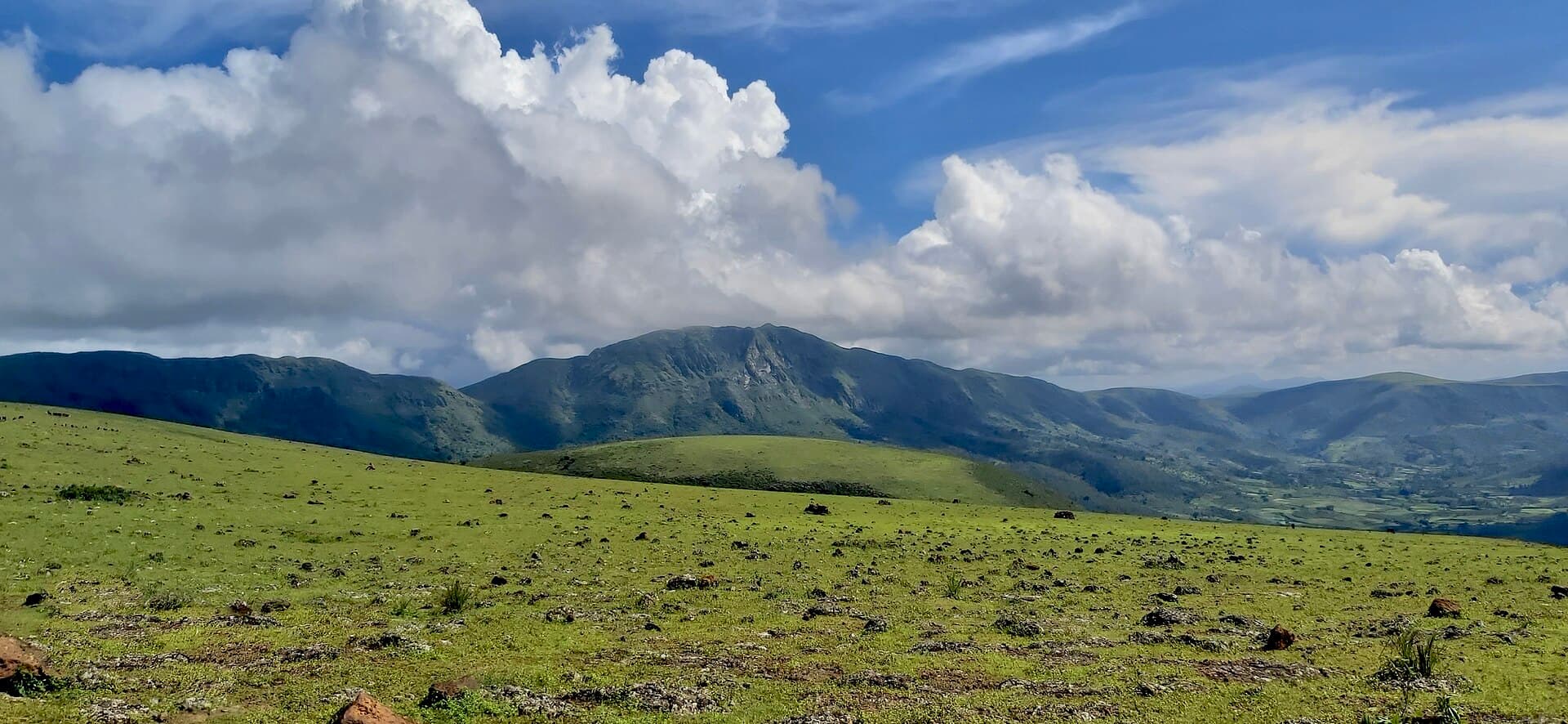
Southern Odisha’s Eastern Ghats are a mosaic of ridges, plateaus, cultivated slopes, forest patches and river-cut valleys. The wider Koraput landscape includes the Machkund river gorge and Duduma waterfall; Deomali’s open summit gives a different view of the region’s high country. These places belong to the same broader southern Odisha landscape, but they are distinct destinations, not interchangeable names for Dandakaranya or the Jathara venue. Forests matter here as habitats and watersheds, and as part of everyday life, work and memory for people who live alongside them. The terrain is not untouched wilderness: it is a lived landscape, continually shaped by ecology, cultivation, movement and care.
Deomali, Koraput · Odisha TourismPhotograph: Deomali hilltop, Koraput district
LIVING CULTURES
Culture belongs to the present
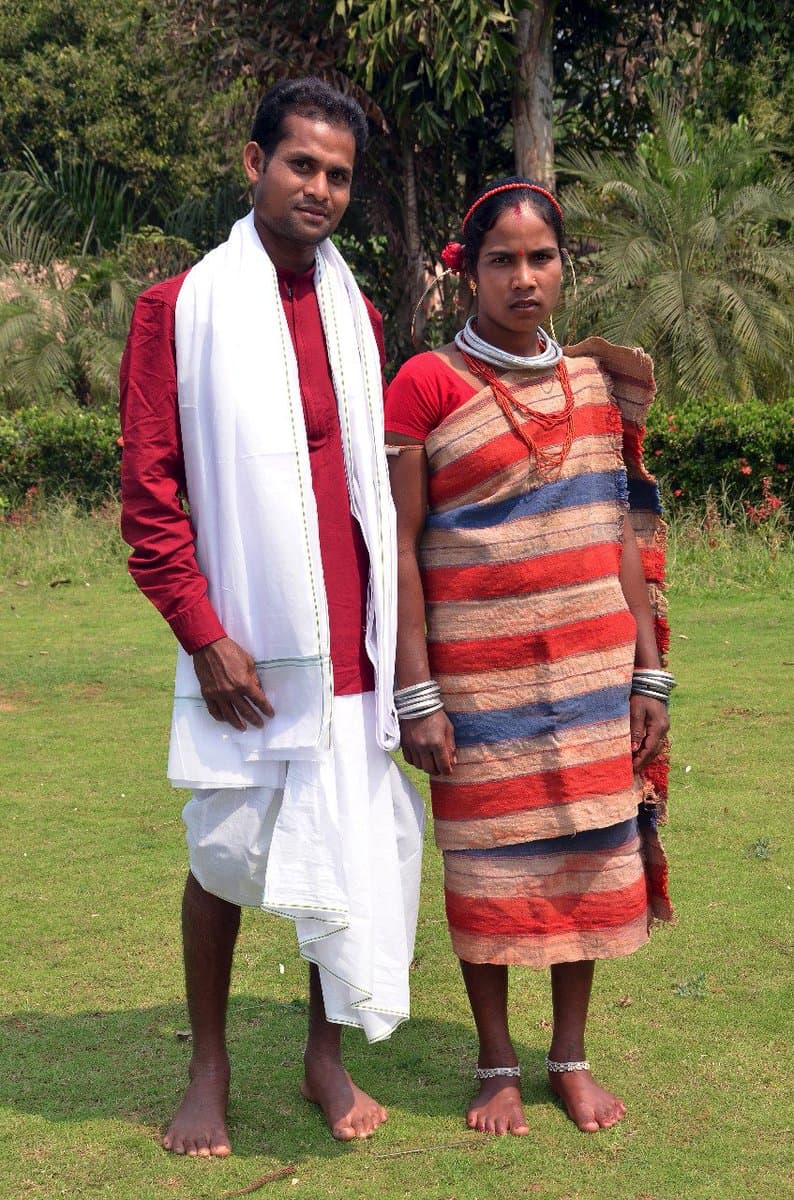
Koraput is home to many communities, including Gadaba, Paroja, Saora and Gond people; names, languages and practices vary across places and households. The district gazetteer documents a multilingual region, including Sora, Gutob, Ollari, Gondi, Kui and local varieties of Odia. In Koraput, Gadaba and Paroja traditions include music and Dhemsa dance, among many forms of cultural expression. Weekly markets bring together exchange in farm produce, forest goods, tools, textiles and ideas. These are living societies, not a single “tribal culture” and not relics of the past. Any account of the region is partial unless it recognises contemporary community life, knowledge, change and self-representation.
Community names describe distinct peoples and histories. They should never be used as a single visual shorthand for the whole region.
CRAFT & POSSIBILITY
Where heritage inspires new possibilities
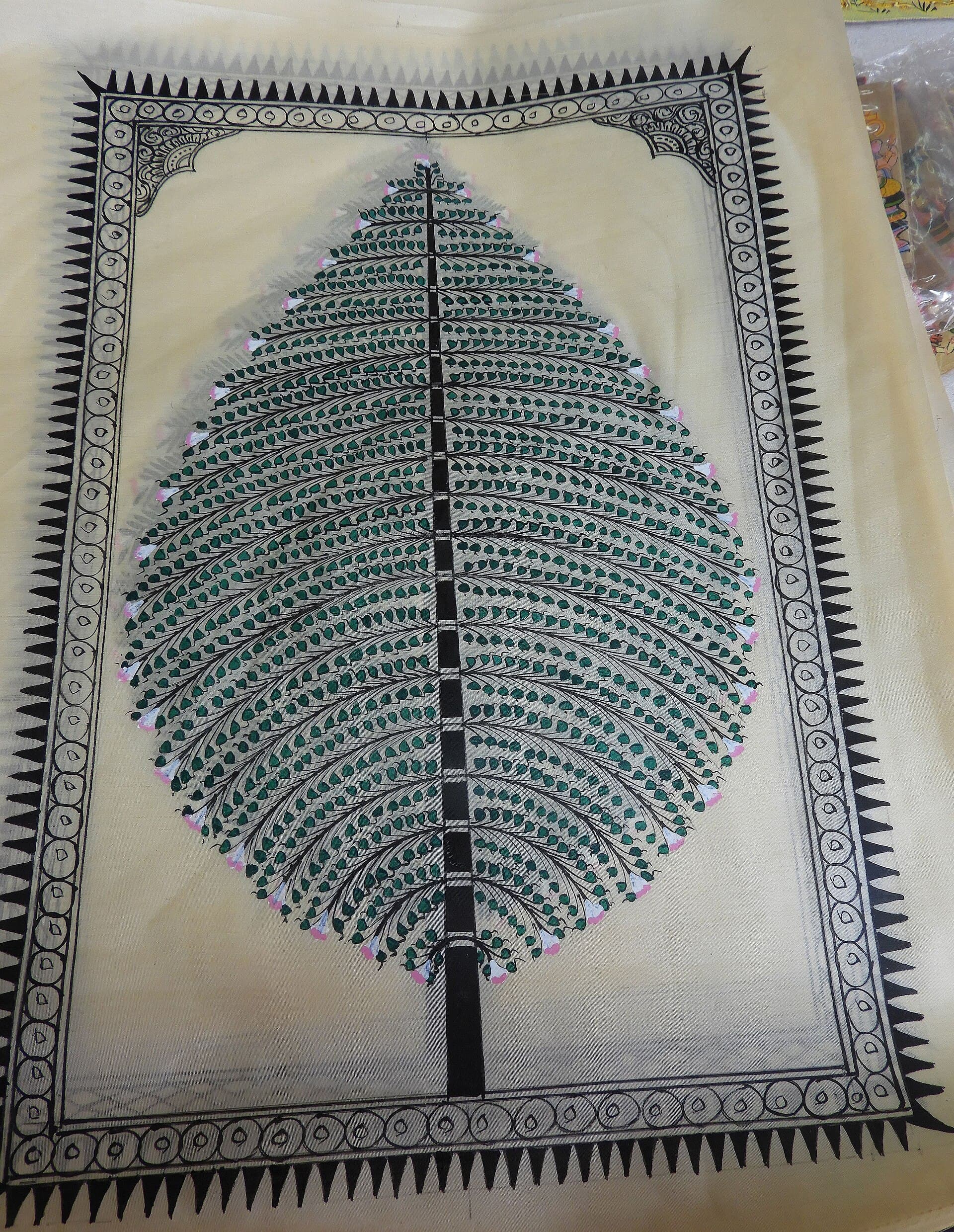
Kotpad, in Koraput district, is known for handwoven textiles made by Mirgan weavers and coloured with plant-based dyes; Kotpad Handloom Fabric received a Geographical Indication registration in 2005. Saora painting is another distinct artistic tradition, grounded in particular cultural and ritual contexts. Neither craft can be reduced to a design motif: both carry knowledge, skill and relationships that deserve attribution and fair recognition. Their futures depend on makers and communities, as well as markets, institutions and thoughtful stewardship. Startup Jathara 2026 gathers at GIET University in Gunupur, within the wider landscape described here. Its setting offers a reason to meet with humility: to bring new ideas into conversation with a place whose knowledge and creative work are already substantial.
A place to meet with curiosity
Startup Jathara 2026 meets in Gunupur, in the broader southern Odisha landscape introduced here. May the gathering begin by listening to the place: its people, its work and the many histories held in its landscapes.
Return to the Jathara overview